
How To Diagnose A Failing Oxygen Sensor
Any malfunction of an oxygen (O2) sensor can result in poor drivability, reduced fuel economy, and excessive tailpipe emissions. The engine control unit (ECU) relies on the information received from the O2 sensor to to constantly adjust the air/fuel ratio under all driving conditions - you can learn more about the job of the oxygen sensor here. A failing oxygen sensor may exhibit one or several indications of decline, most often you'll want to watch for:
A Check Engine Light
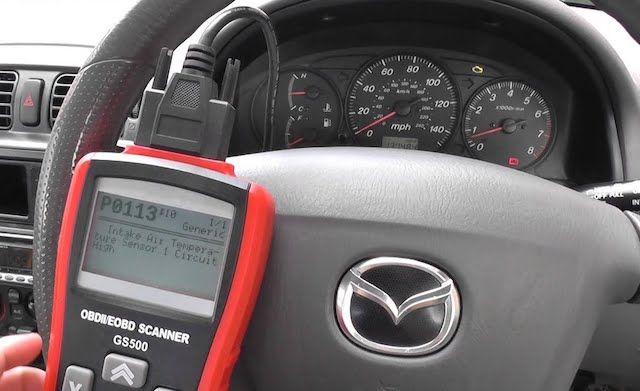
One of the first symptoms of a faulty O2 sensor is the check engine light turning on. This means the ECU has detected too little or too much oxygen in the exhaust stream. When this happens, diagnostic codes for the oxygen sensor(s) will be stored in the ECU and the check engine light will be illuminated.
Rough Running Engine At Idle Or While Driving
If oxygen sensor readings are skewed to either lean or rich, this may cause a noticeable change in how the engine runs. The engine may run rough at idle, stall, or stumble on acceleration. There may also be an audible engine knock or visible smoke from the tailpipe.
Poor Fuel Economy
If the fuel mixture is too rich or too lean, the engine's combustion becomes inefficient. This will cause the engine to either burn excessive fuel or run leaner and hotter. This will result in lower fuel economy than normal. Unburned fuel entering the exhaust system may also cause a “rotten egg” odor from a chemical reaction in the catalytic converter.
Reduced Power And Acceleration
Without correct oxygen sensor data, the ECU can’t provide precise control of the air and fuel mixture or ignition spark timing. This causes inefficient combustion and engine misfires. The symptoms are reduced horsepower and limited vehicle acceleration.
A Failed Emissions Test
A car will immediately fail an emissions test if the check engine light is on. If an oxygen sensor sets a trouble code, it must be diagnosed to clear the code and turn off the check engine light. This will likely cause a failed tailpipe emissions test on older vehicles.
Determining If The Oxygen Sensor Is Bad
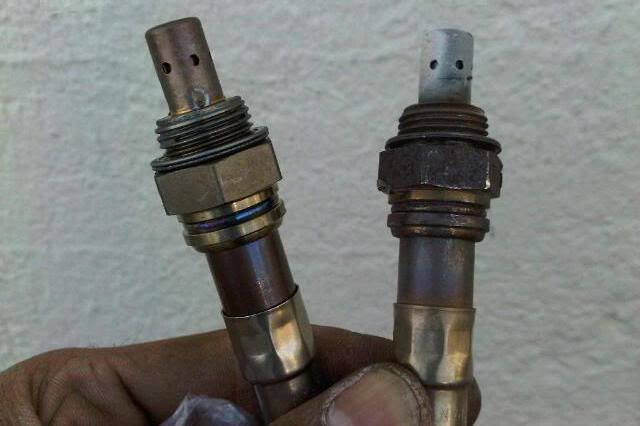
The first step to diagnosing an O2 sensor is to check for diagnostic trouble codes stored in the ECU. It’s not unusual for multiple fault codes to be set. Some codes, like engine misfires, may be a symptom of the oxygen sensor faults. Here are some things to check for when diagnosing an O2 sensor fault:
- Inspect the electrical connector for damage or corrosion.
- Check the condition of the sensor element for signs of damage or contamination.
- Most newer cars have heated O2 sensors. There may be an issue with the power supply to the heater. The heater may also have high resistance. Either condition will prevent the sensor from reading accurately.
- Use live data from a scan tool to check the oxygen sensor signal if the sensor connectors or wiring are difficult to access.
- Check for leaking fuel injectors and exhaust manifold leaks. These conditions may skew oxygen sensor readings.
- More complex diagnosis with an oscilloscope or gas emission analyzer may be required if an obvious fault is not found.
- Learn more here about how to tell if your oxygen sensor is bad.
REALMazdaParts.com - The Best O2 Sensors At The Best Prices
The good news is that O2 sensors are relatively cheap and easy to replace. REAL Mazda Parts only carries OEM Mazda oxygen sensors that meet Mazda specifications. Shop here and you get more than genuine factory Mazda parts - you get wholesale pricing and fast, affordable shipping. Trust REAL Mazda Parts for:
- The right OEM oxygen sensors for your specific Mazda vehicle.
- All OEM parts that are backed by Mazda's manufacturer warranty.
- Support when you need it! If you have any questions, we’re always here to help. Please contact us!