
What Is An Engine Control Module And Why Is It Important?
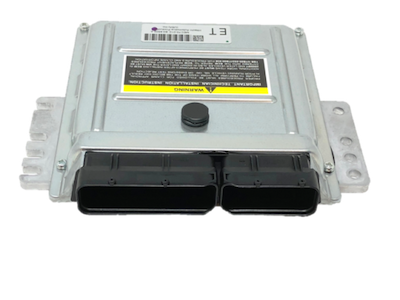
The Engine Control Module (ECM) is a critical component of modern internal combustion engines. It keeps your Mazda running at peak performance, with maximum power, the best fuel efficiency, and the lowest combustion emissions. Without an ECM, your Mazda cars could not meet the fuel economy and emission standards required today.
History Of The ECM
Rising air pollution levels and the 1970's oil embargo in the United States created the need for cleaner and more efficient cars. In response, Congress passed the Clean Air Act in 1970, establishing the Environmental Protection Agency (EPA) and mandating a 90% reduction in automobile emissions by 1975.
Starting with the 1970's models, new passenger cars had to meet increasing fuel economy requirements. Automakers began equipping vehicles with ECMs in the late 1970s to meet these standards. By 1981, ECMs and catalytic converters became essential to meet the EPA's strict vehicle emissions regulations. In the meantime, vehicles classified as light trucks or SUVs would have more lenient regulations.
How Does An ECM Work?
The ECM functions as the "brain" of an internal combustion engine. It allows for efficient and clean operation to meet fuel economy and emissions standards. The engine control module works with a network of sensors, forming an engine management system known as On-Board Diagnostics (OBD). Essential functions managed by the OBD system include:
Sensor Input Data
The ECM receives inputs from various sensors, such as throttle position and coolant temperature sensors. It uses them to adjust engine performance in real-time according to specific operating conditions like the surrounding temperature or highway vs. city driving.
Data Processing
The ECM also collects and processes data from the various engine sensors to control air intake, fuel delivery, and ignition timing.
Actuator Output Control
Based on the data processed from sensor inputs, the ECM manages the operation of components like the intake and variable valve timing. This ensures clean and efficient engine combustion under all conditions.
Data Communications
The ECM also communicates with other control modules in the vehicle. This high-speed network allows the exchange of vital information, such as vehicle speed, engine RPMs, and sensor data. The transmission control module (TCM) may use engine data to perform optimal gear shifts for the best fuel economy.
Power Management
The ECM controls power management for both internal and externally connected components. It efficiently manages internal power consumption and regulates specific voltage and resistance levels to operate sensors and actuators. The ECM also regulates the voltage used when the vehicle is turned off, to prevent battery drain.
REALMazdaParts.com - OEM Mazda Parts At The Best Prices

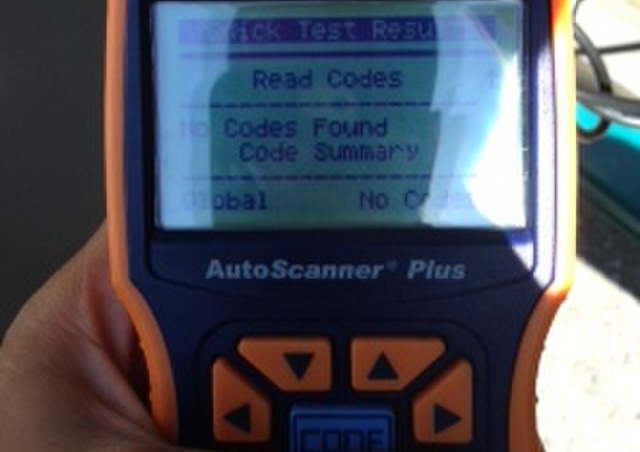
When the ECM detects abnormal operation of any functions listed above, it records Diagnostic Trouble Codes (DTCs). These codes indicate exactly what's going wrong within your vehicle. The ECM also generates DTCs for internal hardware or software errors, voltage irregularities, or CAN communication disruptions. These diagnostic trouble codes can also help determine if your engine control module is failing.
If you’ve diagnosed your Mazda with a failing ECM, contact us. REAL Mazda Parts can hel you find the correct OEM replacement ECU for your vehicle, at the lowest price.
- We have the right OEM engine control module for your specific Mazda vehicle.
- All OEM parts are backed by Mazda's manufacturer warranty.
If you have any questions, we’re always here to help. Don't hesitate to contact us!