
How To Diagnose A Failing Fuel Injector
If you suspect that your fuel injectors are faulty, then the next step is to diagnose them. Fuel injector diagnosis - and replacement - are jobs you can easily do at home. In this guide, we'll walk you through the diagnosis process and tell you what tools you may need for the task.
Troubleshooting Fuel Injectors
If you have noticed some of the common symptoms of a failing fuel injector, then it’s time to confirm your suspicions.
Following the steps below will help you confirm whether your injectors are at fault or not. If you do not have access to an OBDII scanner or digital multimeter, you can still do some basic checks before getting a specialist involved. Park your vehicle in a well-lit and well-ventilated area. You'll be working with the fuel system so take care to avoid getting spilled fuel in your eyes or on your hands. You'll need these basic tools handy:
- Screwdriver or pliers
- Safety glasses and gloves
Basic Testing
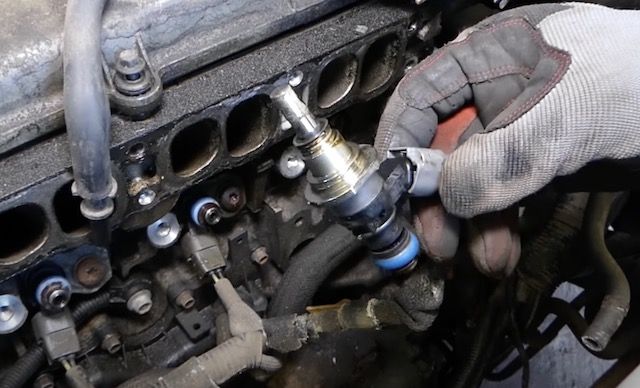
Image Credit: WorldMechanics
Below is a basic method for troubleshooting your fuel injectors:
- Open the hood and remove any covers concealing the fuel injectors.
- Visually inspect the injectors for leaks or loose connections. Corroded connections can easily cause misfires and rough running.
- Start the engine and listen out for ticking or tapping noises coming from the injectors. If you smell fuel, then immediately turn off the car.
If your injectors are leaking, damaged, or noisy, it’s time for a new set. If you don’t notice any obvious issues, then you will need to move on to more advanced tests.
Advanced Testing
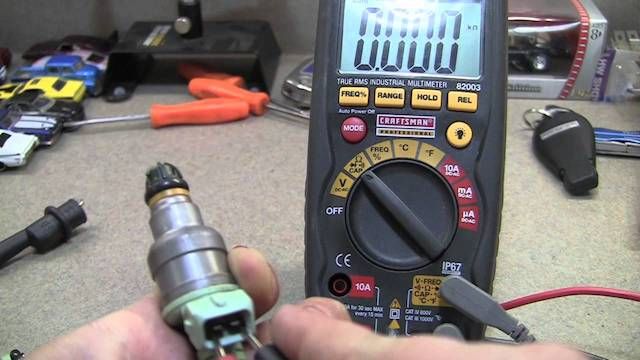
Image Credti: JohnnysShop
A few other gadgets are needed for the advanced testing method covered below, including:
- Fuel pressure gauge
- Digital Multimeter
- Noid light set
- OBDII scanner
Using the tools above, the steps below will help you to determine if you've got a bad fuel injector:
- You can use an OBDII scanner to check for hundreds of mechanical and electrical errors. Codes between P0200 to P0216 and P0251 to P0296 refer to issues with injectors and fueling. Failing injectors can also cause other codes to pop up that refer to rough running and misfires.
- A Digital Multimeter can be used to measure the resistance of each injector coil. Compare the readings to the manufacturer's specifications. A significant deviation could indicate a faulty injector coil.
- A Noid light set comes with a set of small bulbs that fit into the injector plug. Turn the engine over and check whether the lights flash. If they don’t flash or pulse, you have an electrical issue.
- If you own or have access to a fuel pressure gauge, you can test the fuel pressure, too. Attach the fuel pressure connector to your fuelling system. Turn the ignition key to the ‘On’ position. This should activate the fuel pump. Modern fuel-injected engines can have as much as 60PSI pressure. You may need to consult a workshop manual to find out what your fuel pump should be producing.
If you're uncertain or unable to determine the issue, consult a professional mechanic. They have these specialized tools and the expertise to diagnose complex fuel system problems.
OEM Mazda Fuel Injectors From REAL Mazda Parts
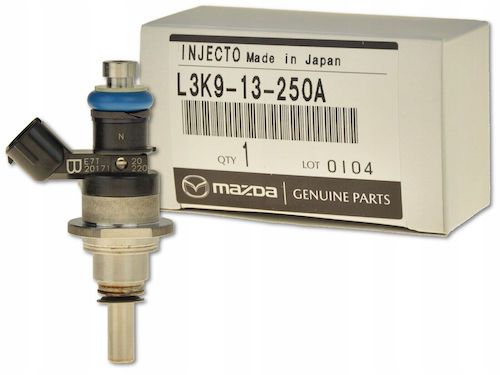
Once you have identified your fuel injectors to be faulty, It’s time for a replacement set. Real Mazda Parts only sells genuine fuel injectors with a manufacturer’s warranty. Our OEM injectors meet Mazda’s factory specifications. And they were built exactly like the original parts. Offering superior quality, performance, and longevity.
Use our VIN decoder to find the perfect OEM injector for your Mazda. You can also contact our team if you aren’t sure which part is right for your car.