
How To Diagnose A Failing Starter Motor: Common Starter Problems
A starter motor is a device that cranks the engine to get it going. In modern cars, an electric starter motor engages as soon as you turn the key or press the start button. If it malfunctions or fails, you won’t be able to start your vehicle. In this blog, we examine how to diagnose a failing starter motor and troubleshoot some common problems.
What Causes A Starter Motor To Fail?
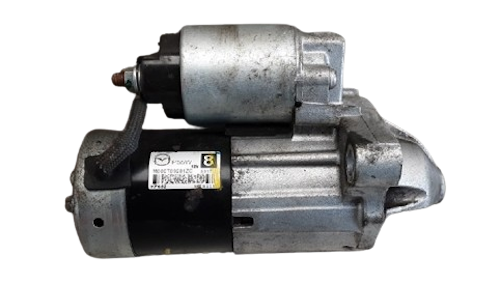
High-quality OEM starter motors can last over 100,000 miles. However, frequent short trips or things like fluid leaking onto the starter motor can reduce their lifespan. These are some of the common starter motor issues that can cause failure:
- Dead or Weak Battery - A weak battery may not provide enough power to the starter motor. This won’t initially cause failure, but it will put additional strain on the starter over time.
- Faulty Starter Relay - A bad relay can prevent the starter motor from receiving power.
- Worn Out Solenoid - The solenoid may fail to engage the starter motor properly.
- Corroded or Loose Connections - Bad electrical connections can prevent the starter motor from working correctly.
- Internal Motor Wear - Over time, the starter motor components can wear out, leading to failure.
Signs Of A Failing Starter Motor
Starter motors often show common symptoms before completely failing. Identifying these symptoms early can help you address the issue before it escalates. Here are the signs that indicate it’s time to replace your starter motor:
- Car doesn’t start on the first try: This is often the earliest sign. It could be caused by many issues, but the starter motor should be checked as well.
- Labored or lazy engine sound when turning over: The engine may struggle more than usual to start. A worn starter motor can be the cause.
- Starter motor stays on after the engine has started: This can overheat the starter and is a very real fire hazard.
- Repeated key turns needed before the starter engages: If you find yourself turning the key multiple times, your starter may be on its last legs.
- Starter motor spins without engaging the engine: This is a common issue and is usually due to a failed solenoid or faulty electric connection.
The Costs Of Ignoring A Failing Starter Motor
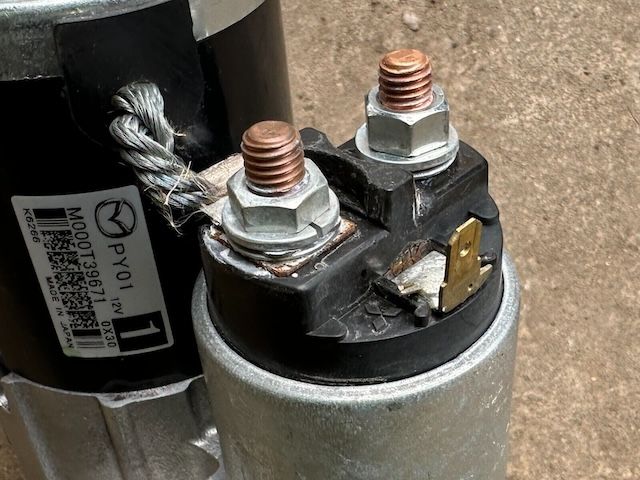
Ignore any of these symptoms for too long, and the starter will fail completely. These symptoms might persist for a while, and you might even start considering them a quirky trait of your car. However, ignoring them can lead to significant issues:
- Engine Damage - A starter motor that doesn’t turn off or struggles to engage can damage engine components.
- Battery Drain - Continuously cranking the starter puts a heavy strain on the battery, potentially leading to a dead battery and damage to the electrical system.
- Fire Hazard - It may sound extreme, but the starter motor is designed to run only for a few seconds at a time. Continuous cranking can cause it to overheat and potentially ignite a fire.
- Inevitable Breakdown - Eventually, your car won’t start at all. The best-case scenario is this happening in your driveway rather than on a remote road.
How To Test Your Starter Motor
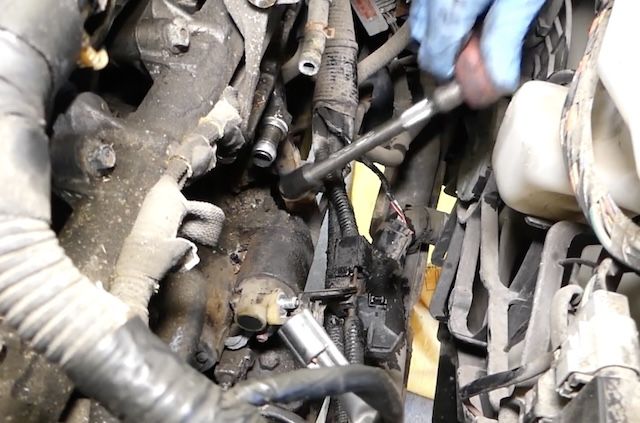
Image Credit: WorldMechanics
A failing starter motor can be a pain or a major issue, depending on when and where you break down. Recognizing the signs of a failing starter motor can help you diagnose the problem early. Hopefully, you will avoid getting stuck or causing damage to your vehicle. Checking these areas may help you avoid an unexpected breakdown:
- Check The Battery: Start by checking the battery. Ensure it is fully charged and in good condition. If the battery is weak or dead, replace or charge it as needed.
- Inspect Electrical Connections: Check all the electrical connections to the starter motor. Look for corroded or loose connections and clean or tighten them as necessary.
- Test The Starter Relay: Locate the starter relay and test it with a multimeter. If the relay is faulty, replace it with a new one.
- Examine The Solenoid: Inspect the solenoid for signs of wear or damage. If it is not engaging properly, it may need to be replaced.
- Listen For Clicking Sounds: Can you hear a clicking sound when attempting to start the engine? It could be a problem with the starter motor or solenoid.
- Consult A Professional: If you have tried these troubleshooting steps and the starter motor is still not working, it may be time to consult a professional mechanic. They can provide a more in-depth diagnosis and repair.
OEM Starter Motors From REALMazdaParts.com
REAL Mazda Parts only sells genuine Mazda components. If you have diagnosed your starter motor as failing, always use an OEM replacement part. This will ensure perfect fitment, functionality, and a manufacturer warranty. We sell OEM parts at wholesale prices, saving you money and giving you added peace of mind.
Use our VIN decoder to find the right starter motor Mazda the first time. You can also contact our team to help you find the right starter motor at the best price for your Mazda.