
All You Need To Know About Mazda Ball Joints
A ball joint might not grab headlines, but it’s a vital component of your Mazda front suspension system and steering system, ensuring smooth operation and control. This essential automotive ball joint connects the lower control arm to the steering knuckle, on each of your Mazda’s front wheels. Depending on your Mazda suspension design, a ball joint may also link the upper control arm to the steering knuckle. Though less common, some four-wheel steering vehicles include rear ball joints. Functioning like a human hip or shoulder, a ball joint allows your Mazda’s suspension and steering system to move freely, providing flexibility and stability on the road.
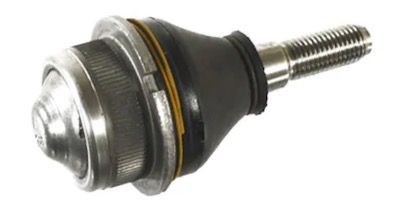
A Mazda ball joint is comprised of a polished metal stud encased in a socket, filled with grease for lubrication and sealed with a rubber ball joint boot. This ball joint boot protects the grease-filled ball joint from dirt and debris, extending its lifespan and maintaining optimal Mazda vehicle performance.
What’s The Job Of A Ball Joint In Your Mazda?
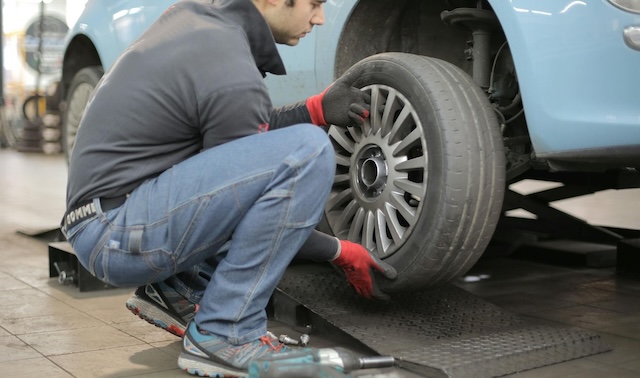
Ball joints play a crucial role in your Mazda’s steering system and front suspension, working seamlessly within a complex assembly of parts. This includes:
- Bearings for smooth rotation
- Bushings to reduce vibration
- Joints for flexibility
- Links connecting suspension components.
Together, Mazda ball joints collaborate with these elements to allow your wheels to move up and down independently, turn left or right smoothly, and maintain precise vehicle control under all conditions. They also optimize tire contact with the road, enhancing traction and promoting even tire wear for a safer, more efficient Mazda driving experience.
How Long Do Ball Joints Last On A Mazda?
There’s no fixed maintenance schedule for ball joints, and their lifespan depends on factors like mileage, climate, vehicle age, and driving conditions. Decades ago, Mazda ball joints often had grease fittings requiring regular servicing and lubrication to extend durability, with less resilient rubber ball joint boots prone to cracking. Today, OEM Mazda ball joints feature sealed-for-life designs with long-lasting synthetic grease and durable ball joint boots, often lasting 100,000 miles or more - sometimes even the entire life of the Mazda.
However, regular ball joint inspection is vital for high-mileage vehicles to catch wear early and ensure long-term suspension health.
How Do I Diagnose A Failing Ball Joint On My Mazda?
A failing ball joint can jeopardize your Mazda’s handling and pose a safety risk, as these high-wear suspension parts endure significant stress. Lifespan varies with mileage, vehicle age, and operating conditions, but watch for these ball joint failure symptoms:
- Odd noises
- Irregular vibrations
- Uneven tire wear
- Steering problems
Signs And Symptoms Of Ball Joint Failure
It's best to spot early signs of ball joint wear, preventing safety hazards and costly suspension repairs. Regular Mazda ball joint diagnosis is key to maintaining vehicle safety and performance. Watch for:
- Noises: A rattling or clunking noise from the front, starting subtle but worsening, often signals ball joint wear. This occurs when the rubber ball joint boot fails, letting grease escape while dirt enters, causing excessive play and rapid ball joint deterioration.
- Vibrations: Cabin vibrations or steering wheel shakes indicate advanced ball joint wear, signaling a safety hazard. Immediate ball joint inspection is critical to avoid sudden failure and loss of vehicle control.
- Uneven Tire Wear: Worn ball joints shift the steering knuckle, causing wheels to rotate off-axis, leading to premature tire wear. A worn lower ball joint causes inner tread wear, while an upper ball joint affects outer tread.
- Steering Issues: Loose steering or reduced response from a worn ball joint suggests near catastrophic failure, where the metal ball may separate, risking wheel detachment and endangering occupants.
Diagnosing A Worn Ball Joint On Your Mazda
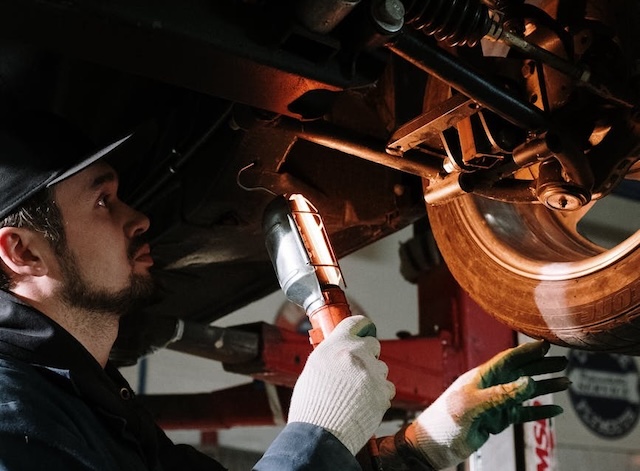
Diagnosing a worn ball joint on your Mazda is straightforward with the right approach. Ideally, use a vehicle lift to inspect with the suspension hanging freely, then firmly wiggle the tire to detect ball joint play. If movement isn’t obvious, remove the wheel and check the rubber ball joint boot for tears, splits, or grease leakage. Use a pry bar to apply pressure between the steering knuckle and control arm, watching for excessive movement.
This ball joint inspection process helps identify ball joint wear symptoms early, ensuring Mazda suspension maintenance and preventing safety issues on the road.
Are OEM Mazda Ball Joints Better Than Aftermarket?
When replacing Mazda ball joints, you might consider aftermarket ball joints for cost savings, but OEM Mazda ball joints often outperform them. Aftermarket options may seem similar but often fall short with imprecise fit, inferior ball joint performance, excessive play, low-quality grease, and substandard materials.
OEM Mazda Ball Joints From REALMazdaParts.com

Choosing genuine OEM Mazda ball joints ensures a precise fit and matched ball joint performance, maintaining your Mazda’s original steering and handling. This reliability is crucial for suspension safety and longevity.
- OEM vs. Aftermarket: Aftermarket ball joints are cheaper upfront but risk compatibility issues and shorter lifespans due to poor tolerances and low-quality materials.
- Exact Fit and Performance: OEM Mazda ball joints are engineered to match original specs, simplifying ball joint installation and preserving vehicle handling characteristics.
- Mazda Quality and Reliability: Aftermarket reliability varies, with compromises in material quality affecting suspension durability. OEM parts last longer, reducing ball joint replacement frequency and costs.
- OEM Warranty: OEM Mazda ball joints from REALMazdaParts.com offer a 12-month warranty, outpacing the often limited aftermarket warranties.
For help finding the right Mazda ball joints, contact us online at REALMazdaParts.com, or use our online VIN decoder and order today!